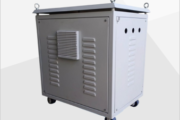


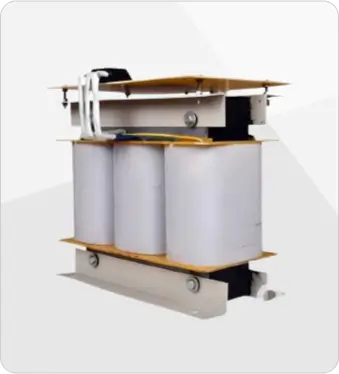
Stable power is critical for labs, research institutes, and industrial facilities. Even a small voltage fluctuation can affect sensitive instruments. That’s why an Isolation Transformer for Scientific Equipment is essential. It ensures equipment gets clean, consistent power, preventing errors, downtime, and costly repairs.
At Rameshwar Power Control, we provide high-quality transformers and stabilizers designed for precise applications. Our products help labs and industries maintain reliable operations, even in areas with unstable electricity.
What Is an Isolation Transformer?
An isolation transformer is a device that separates the electrical supply from the equipment it powers. It creates a barrier between the incoming power and the device. This reduces electrical noise, protects against voltage spikes, and improves safety.
Unlike a regular transformer, an isolation transformer does not just change voltage. It isolates the load from the supply, which is crucial for scientific instruments. For labs or industrial machines, even minor electrical interference can cause inaccurate readings or malfunction.
Three-phase isolation transformers are commonly used in industrial and lab settings. They handle higher loads and provide stable three-phase power. You can read more about the technical details here: Three Phase Isolation Transformer.
Why Scientific Equipment Needs Stable Power
Scientific instruments are sensitive. Even a small voltage spike can disrupt results or damage equipment.
For example, microscopes, spectrometers, centrifuges, and medical analyzers require consistent voltage to operate correctly. Fluctuating power can cause:
- Measurement errors
- Equipment calibration issues
- Unexpected shutdowns
- Component damage
Industrial facilities face similar risks. CNC machines, automation systems, and process controllers need clean power. A small power disturbance can halt production, damage machines, or cause data loss.
Using an Isolation Transformer for Scientific Equipment ensures that your devices receive smooth, regulated power. This reduces downtime and improves reliability.
Key Benefits of an Isolation Transformer for Scientific Equipment
1. Voltage Regulation and Stability
Isolation transformers help maintain a consistent voltage level. They reduce spikes and dips that can damage sensitive equipment.
2. Surge Protection
Sudden surges, often caused by lightning strikes or grid fluctuations, can destroy electronics. Isolation transformers absorb these spikes, protecting your instruments.
3. Noise Filtering
Electrical noise from nearby machines or industrial processes can interfere with sensitive devices. Isolation transformers reduce this noise, improving accuracy and performance.
4. Safety
Isolation transformers add an extra layer of safety. By isolating the equipment from the main supply, they reduce the risk of electric shock or short circuits.
5. Equipment Longevity
Consistent, clean power extends the life of scientific and industrial instruments. This reduces maintenance costs and improves reliability over time.
You can also learn how isolation transformers help CNC machines here: Top 5 Benefits of Using an Isolation Transformer for CNC Machines.
Applications in Industries and Research Institutes
Isolation transformers are used wherever stable power is essential:
- Research Labs and Universities: For precise experiments, calibration, and data integrity.
- Medical and Diagnostic Labs: Protect sensitive equipment like MRI machines, analyzers, and incubators.
- Industrial Process Control: For CNC machines, automation systems, and high-precision manufacturing equipment.
- Pharmaceutical Industry: Ensures accurate processing, testing, and production without interruptions.
Rameshwar Power Control provides transformers and stabilizers suited for these applications. Our team ensures each system meets specific load and safety requirements. You can read more about our solutions for pharmaceutical and hospital equipment here: Servo Voltage Stabilizer for Medical and Hospital Equipment.
How to Choose the Right Isolation Transformer
Choosing the correct transformer is essential. Here are key factors to consider:
1. Capacity (kVA) – Match the transformer rating with your equipment load.
2. Phase Type – Three-phase for labs or industrial systems.
3. Efficiency – High-efficiency units reduce energy loss and operating costs.
4. Voltage Regulation – Check for tight voltage control to protect sensitive instruments.
5. Safety Compliance – Look for IEC or local certifications.
6. Maintenance and Support – Choose a provider with reliable service and technical support.
At Rameshwar Power Control, we assist clients in selecting the right transformer and stabilizer for their specific needs. Learn more about choosing stabilizers here: How to Choose the Right Voltage Stabilizer for Factory.
Why Trust Rameshwar Power Control
With years of experience in servo voltage stabilizers and transformers, we understand the critical nature of stable power. Our solutions are used in labs, hospitals, and industrial plants across India.
- Proven Expertise: We design systems for sensitive and high-precision equipment.
- Customized Solutions: Transformers and stabilizers customized to your load and application.
- Reliable Support: Installation, maintenance, and consultation services for uninterrupted operation.
Check our full range of products here: Rameshwar Power Control Products.
Conclusion
An Isolation Transformer for Scientific Equipment is not just a convenience – it’s essential for protecting sensitive instruments, ensuring accurate results, and maintaining uninterrupted operations.
Whether you run a research lab, hospital, or industrial facility, stable and clean power is critical. By choosing the right transformer and support from Rameshwar Power Control, you safeguard your equipment and operations.
Investing in proper isolation and stabilization today can prevent costly repairs, downtime, and data errors tomorrow. If you want to learn more about our transformers and stabilizers, visit: What Is a 3 Phase Isolation Transformer.
Contact us for more information.