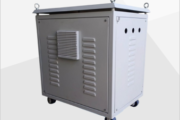


A power plant produces electricity, but it requires electricity to maintain its operational systems. The plant needs to operate its systems which include pumps, fans, motors, and compressors, and control panels without interruptions. The transformer which provides the internal electrical supply to the system operates as the Unit Auxiliary Transformer Power Plant system.
The Unit Auxiliary Transformer (UAT) serves as a vital transformer for every generating station. The transformer connects directly to the generator to provide power which it reduces to suitable voltage levels for plant operations. The UAT enables the entire unit to operate on its generated electricity because it requires no power from the grid after the generator starts producing electricity.
The Unit Auxiliary Transformer enables the power plant to achieve complete energy independence according to its basic function.
What Is a Unit Auxiliary Transformer Power Plant?
A Unit Auxiliary Transformer Power Plant is a step-down transformer connected to the generator output. Its main function is to supply power to all the essential equipment required for operating a specific generating unit.
This equipment includes:
- Boiler feed pumps
- Cooling water pumps
- Forced draft and induced draft fans
- Fuel handling systems
- Lubrication systems
- Control and instrumentation panels
- Lighting and HVAC systems
The power plant requires external electricity sources to operate at full capacity until it starts electricity production without the Unit Auxiliary Transformer.
To understand the broader role of these transformers in electrical systems, you can also read What Is the Function of an Auxiliary Transformer in a Substation.
Purpose of Unit Auxiliary Transformer in Power Plant
The primary purpose of the UAT is to provide reliable electrical power to the plant’s own auxiliary systems.
Its key functions are:
- Steps down generator voltage to usable levels
- Supplies power to motors and pumps
- Reduces dependence on grid power
- Improves overall efficiency
- Supports continuous plant operation
- Ensures stable voltage for sensitive equipment
The UAT system helps the power plant to reduce costs while bettering its operational capabilities.
How Does a Unit Auxiliary Transformer Work?
A Unit Auxiliary Transformer operates through a straightforward and effective procedure.
- The generator produces electricity at a medium voltage range which extends from 11 kV to 24 kV.
- The Unit Auxiliary Transformer connects to the generator terminals as its main input source.
- The device reduces voltage to three specific levels which are 6.6 kV, 4.16 kV, and 415 V.
- The auxiliary switchgear provides electrical power to control systems and pumps and motors.
- The generating unit continues operating because it uses its internal power supply.
The plant achieves energy independence from the grid once this transfer process occurs.
Difference Between Unit Auxiliary Transformer and Station Auxiliary Transformer
The Unit Auxiliary Transformer (UAT) and Station Auxiliary Transformer (SAT) have different roles in a power plant.
The Station Auxiliary Transformer (SAT) supplies power from the grid during plant startup and shutdown. It helps run the equipment needed before the generator begins producing electricity.
The Unit Auxiliary Transformer (UAT) takes power from the generator output after the unit starts operating. The system provides electrical power to all auxiliary equipment which includes pumps and fans and motors and control systems.
Key Differences
- Power Source: UAT uses generator power which SAT uses grid power as its source.
- Operating Stage: UAT works during normal operation while SAT works during startup and shutdown.
- Purpose: UAT powers running unit auxiliaries while SAT provides startup power.
In simple terms the SAT starts the power plant and the UAT keeps it running.
For a broader technical comparison, you may also find Difference Between Auxiliary Transformer and Power Transformer helpful.
Typical Specifications of Unit Auxiliary Transformer Power Plant
The UAT system specifications depend on the particular power plant size and power plant type.
- The capacity ranges from 5 MVA to 100 MVA or higher.
- The primary voltage operates between 11 kV and 24 kV.
- Secondary Voltage: 6.6 kV / 4.16 kV / 415 V
- Cooling Type: ONAN or ONAF
- Vector Group: Dyn11
- Frequency: 50 Hz or 60 Hz
The transformers are built to deliver dependable performance throughout their entire operational lifespan.
Applications of Unit Auxiliary Transformer
The Unit Auxiliary Transformer Power Plant operates in all generating station types which include:
- Thermal power plants
- Coal-fired power plants
- Gas turbine power plants
- Combined cycle power plants
- Nuclear power plants
- Hydroelectric plants
In each of these plants, the UAT ensures uninterrupted power to critical internal systems.
Advantages of Unit Auxiliary Transformer
Using a Unit Auxiliary Transformer offers several operational benefits.
- Makes the plant self-powered
- Reduces electricity costs
- Provides stable voltage
- Improves equipment protection
- Increases plant reliability
- Minimizes dependence on external supply
The UAT system provides essential benefits which modern power plants consider their fundamental requirement. Maintaining stable voltage is critical for sensitive equipment, similar to the principles discussed in Three Phase Isolation Transformer for Industrial Power Quality.
Maintenance of Unit Auxiliary Transformer
The system requires regular maintenance work to guarantee its long-term operational capability.
Common maintenance activities include:
- Insulation resistance testing
- Transformer oil testing
- Winding resistance measurement
- Temperature monitoring
- Cooling system inspection
- Relay and protection testing
Proper maintenance helps prevent sudden breakdowns and extends transformer life.
Reliability-focused maintenance is also important in renewable energy systems, as explained in Why Solar Auxiliary Transformer Reliability Matters in Solar Plants.
Conclusion
The Unit Auxiliary Transformer Power Plant serves as the main transformer which delivers power to all equipment necessary for running a generating unit. The system extracts power from the generator and reduces voltage levels before distributing power to pumps and motors and fans and control systems.
The Unit Auxiliary Transformer enables a power plant to operate its equipment after power generation starts. That is why the UAT is considered one of the most important transformers in any power plant electrical system.