

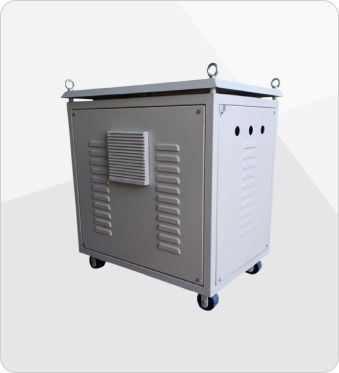
Substations primarily operate high-voltage equipment which includes power transformers and circuit breakers and transmission lines. The Auxiliary Transformer in a Substation serves as the essential equipment which enables all systems to function throughout the entire facility.
The substation possesses power capability but lacks the ability to function or safeguard itself or conduct operational monitoring.
The Auxiliary Transformer in a Substation supplies power to all internal systems that ensure both safe operation and reliable functionality. The system operates all control circuits and protection systems and communication networks and essential services without interruption.
Substations today need proof of their operational status because automation and smart grid connectivity have advanced further than ever before.
What Is an Auxiliary Transformer in a Substation?
The Auxiliary Transformer in a Substation functions as a step-down transformer which changes high voltage power into low voltage power needed by internal systems.
The system produces standard output voltages of:
- 415V (three-phase supply)
- 230V (single-phase supply)
It supplies power to all auxiliary loads inside the substation such as:
- Control and relay panels
- SCADA and automation systems
- Lighting and utility systems
- Cooling and ventilation equipment
- Battery charging systems
The system does not provide power to external loads like a power transformer. The system enables the entire substation operational framework to function correctly.
Why Auxiliary Transformers Are Critical in Modern Substations
Substations today are no longer passive switching stations. The systems function as intelligent systems which need permanent surveillance and operational oversight.
The Auxiliary Transformer in a Substation ensures:
- Continuous system visibility
- Instant fault detection
- Safe operation of switching equipment
- Real-time communication with control centers
Auxiliary systems lack trustworthiness because they need dependable auxiliary power which enables systems to handle all situations from minor faults to complete system breakdowns.
To maintain clean and stable power for such sensitive systems, supporting equipment like three phase isolation transformers for industrial power quality is often used alongside auxiliary transformers.
Detailed Functions of Auxiliary Transformer in a Substation
1. Powering Control Circuits
The control circuits function to control the operation of breakers together with isolators and switches.
If control power fails:
- Operators lose command over equipment
- Switching operations cannot be performed
- System response becomes delayed
The Auxiliary Transformer in a Substation provides continuous control power which supports operational activities.
2. Enabling Protection System Operation
Protection relays identify abnormal system behavior which includes short circuits and overloads and other system faults.
These systems must function instantly.
An auxiliary transformer ensures:
- Continuous relay operation
- Immediate fault detection
- Reliable breaker tripping
Without it, faults may remain undetected, causing severe equipment damage.
3. Supporting SCADA and Automation Systems
The SCADA system serves as the main monitoring and control system for contemporary substations.
These systems handle:
- Real-time data collection
- Remote operation
- Fault diagnostics
An Auxiliary Transformer in a Substation provides stable power required for these digital systems to function accurately.
4. Maintaining Cooling Systems
Power equipment generates heat continuously.
Cooling systems such as:
- Oil pumps
- Cooling fans
- Ventilation systems
must operate without interruption.
Auxiliary transformers ensure these systems prevent overheating and extend equipment life.
5. Powering Lighting and Safety Systems
Substations function continuously throughout the week while their operations extend to outdoor locations.
Auxiliary transformers provide power to operate various systems which include:
- Yard lighting
- Control room lighting
- Emergency lighting systems
This ensures safe operation and maintenance activities.
6. Supporting Battery Charging Systems
During power outages battery banks provide essential backup power.
Auxiliary transformers deliver power to battery chargers which enables them to supply backup power during outages:
- Backup systems remain ready
- Control and protection systems continue during power failure
Auxiliary Transformer and Power Quality
The most important aspect of power quality remains unrecognized by most people.
Stable voltage delivery without any voltage drops or power interruptions forms the foundation of stable operation for sensitive systems which include relays and SCADA systems.
Poor auxiliary power can lead to:
- False tripping
- Data errors
- Equipment malfunction
Many of these issues are linked to voltage instability. You can explore related problems in what are industrial voltage drop issues.
Role in Industrial Substations
In industrial plants, substations directly affect production.
If auxiliary systems fail:
- Machines may stop suddenly
- Production lines may shut down
- Losses can increase significantly
This is why industries integrate auxiliary transformers with stabilizers. The importance of this is explained in why industrial stabilizer is essential for modern factories.
Role in Renewable Energy Systems
Auxiliary transformers have become essential components of renewable power systems because of the increasing usage of solar and wind energy systems.
In solar plants, they supply power to:
- Inverter control systems
- Monitoring systems
- Communication units
Their reliability directly impacts plant performance. This is covered in solar auxiliary transformer reliability matters in solar plants.
Common Failures and Their Impact
Improper design or maintenance of auxiliary transformers can cause:
- Loss of control power
- Protection system failure
- Communication breakdown
- Increased downtime
- Potential dangers to safety
Major disruptions arise from failures which remain unrecognized.
Key Design and Selection Considerations
- Load Assessment: The process requires precise measurements to determine all auxiliary load requirements.
- Voltage Stability: The system must maintain consistent output voltage throughout different operational scenarios.
- Redundancy: Backup systems which should include redundancy as their primary protection method.
- Build Quality: High-quality materials in construction leads to heightened trustworthiness and extended operational duration.
- Manufacturer Selection: Choosing a trusted manufacturer ensures performance. For guidance, refer to the stabilizer voltage factory selection guide.
Future Trends in Auxiliary Transformers
Modern technology enhances the operational functions of Auxiliary Transformers at Substation facilities.
- Smart Grid Integration: The digital power networks now include transformers as their integrated components.
- IoT-Based Monitoring: The implementation of IoT-based systems enables maintenance and performance monitoring through real-time data collection.
- Energy Efficiency Improvements: The development of new designs aims to achieve energy efficiency through reduced energy losses.
- Compact and Modular Designs: Space-restricted substations utilize compact modular system designs for their operational needs.
- Renewable Energy Compatibility: The system provides operational compatibility with both hybrid and solar power systems.
Conclusion
The Auxiliary Transformer in a Substation functions as an essential element that maintains system security and operational efficiency.
The entire substation operation depends on control systems protection systems and automation systems which require substation power.
The demand for auxiliary transformers has surged as power systems evolve into more sophisticated designs.
Industries and utilities need to understand auxiliary transformer selection because it helps them achieve system reliability for their power requirements.