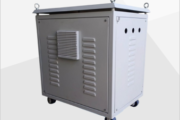


Modern substations serve as the primary control centers which enable the complete operation of the electrical grid system. Substations control voltage levels while directing electric power and safeguarding the system against operational failures. The operational efficiency of a substation network depends on its hidden infrastructure which includes Auxiliary Transformers for Substations.
The transformers function as substation equipment power sources which support operational and protective functions. The system requires these transformers because or else the relays will fail to work and the control panels will become dark and the vital systems will stop functioning.
The main transformer functions as the substation’s core operational element while Auxiliary Transformers for Substations function as the supporting elements that ensure safe and reliable operation of the substation.
This article describes their operational process and shows their significance because of their role in developing safer and more reliable power systems for utility companies and industrial sectors.
What Are Auxiliary Transformers for Substations?
Special transformers called Auxiliary Transformers for Substations provide low voltage power to all internal substation equipment needs.
These loads may include:
- Protection relays
- Control panels
- SCADA and communication systems
- Battery chargers
- Cooling fans and pumps
- Lighting and ventilation systems
- Security and fire protection equipment
The substation main transformer depends on these loads because they protect all vital systems which need power to operate safely.
The core function of auxiliary transformers in a substation can be discovered through our guide What Is the Function of an Auxiliary Transformer in a Substation.
Why Auxiliary Power Is Critical in a Substation
Transformers and switchgear represent only a small part of what a substation needs to operate. It needs multiple support systems which must work as one unit to function properly.
Protective relays have to identify grid faults at the moment they happen. The circuit breakers need to receive control signals. Communication systems must report the event to operators.
All of these systems rely on stable auxiliary power.
Without Auxiliary Transformers for Substations, even the most advanced substation becomes vulnerable to:
- Protection failures
- Delayed fault clearing
- Communication loss
- Cooling system shutdown
- Safety risks
- Extended outages
Utilities consider auxiliary transformers as primary reliability equipment because they function as critical components which maintain system performance.
How Auxiliary Transformers for Substations Improve Grid Reliability
Electricity delivery depends on grid reliability which enables quick fault recovery. Auxiliary Transformers for Substations directly support both objectives.
Stable Power for Protection Systems
Protective relays monitor current, voltage, and fault conditions around the clock. They require a clean and dependable power source to operate correctly.
Continuous Operation of Control Systems
The control panels together with SCADA systems require constant power supply which enables them to oversee operations within the substation.
Support for Cooling Equipment
Fans and pumps establish optimal temperature conditions for transformers as well as switchgear equipment.
Reliable Communication
Remote monitoring and alarm systems depend on stable auxiliary power.
Faster Fault Response
When auxiliary systems remain powered, faults can be detected and isolated immediately, reducing outage duration.
How Auxiliary Transformers Enhance Safety
Safety is one of the most important reasons to invest in high-quality Auxiliary Transformers for Substations.
They help maintain:
- Protective relay operation
- Emergency lighting
- Fire detection systems
- Security systems
- Battery charging systems
The equipment faces greater danger during faults because both systems depend on power to maintain safe operation for equipment and personnel. In this way, auxiliary transformers act as silent guardians of the substation.
Typical Applications of Auxiliary Transformers in Substations
These transformers are used in a wide range of installations:
- Utility substations
- Industrial substations
- Renewable energy substations
- Captive power plants
- Distribution networks
The systems function as auxiliary power sources for renewable energy projects because these projects require power supply that remains reliable throughout their operation. The document Solar Auxiliary Transformer for Substations: Benefits, Applications and Specifications provides more information about the project.
Key Design Features to Look For
Design Features to Look For in Auxiliary Transformers for Substations The evaluation process for Auxiliary Transformers selection requires assessment of different design elements.
Electrical Characteristics
- Correct voltage ratio
- Adequate kVA rating
- Short-circuit withstand capability
Construction Quality
- High-grade copper windings
- Low-loss core material
- Robust insulation system
Environmental Suitability
- Indoor or outdoor installation
- Temperature rise limits
- IP protection level
Reliability Features
- Thermal protection
- Quality testing
- Long service life
Common Problems Caused by Poor Auxiliary Transformer Selection
Choosing the wrong transformer can create serious operational issues.
Common problems include:
- Relay malfunction
- Nuisance tripping
- Overheating
- Communication interruptions
- Reduced transformer life
Many of these issues are linked to unstable internal power conditions, similar to those discussed in What Are Industrial Voltage Drop Issues.
Auxiliary Transformers and Renewable Energy Growth
Substations become increasingly automated and digitally connected through the expansion of solar and wind energy projects.
This increases dependence on stable auxiliary power.
That is why Auxiliary Transformers for Substations are now designed with greater focus on:
- Higher reliability
- Energy efficiency
- Smart monitoring
- Compact design
Related insights can be found in Why Solar Auxiliary Transformer Reliability Matters in Solar Plants.
How to Choose the Right Auxiliary Transformer for a Substation
Before finalizing your transformer, consider the following:
- Total auxiliary load
- Future expansion plans
- Required voltage levels
- Installation environment
- Duty cycle
- Applicable standards
- Manufacturer support
The document 7 Tips for Choosing the Right Auxiliary Transformer serves as a complete buying guide for customers.
Benefits of Using High-Quality Auxiliary Transformers for Substations
A properly engineered transformer offers long-term advantages:
- Improved grid reliability
- Enhanced safety
- Reduced downtime
- Better equipment protection
- Lower maintenance costs
- Longer service life
In large substations, this can translate into significant operational and financial savings.
Future Trends in Substation Auxiliary Transformers
The next generation of Auxiliary Transformers for Substations is moving toward:
- Smart diagnostics
- Remote condition monitoring
- Lower core losses
- Compact footprints
- Improved insulation technology
The implementation of smart technology at substations will create opportunities for auxiliary transformers to become more crucial within their operations.
Conclusion
The electrical system relies on Auxiliary Transformers for Substations because they manage fundamental system operations even though they do not transmit the greatest power capacity.
They energize the protection, control, communication, and safety systems that keep substations operating reliably.
Without them, grid performance becomes vulnerable. With them, substations become safer, smarter, and more dependable.
If your goal is to improve reliability and safety, investing in the right Auxiliary Transformers for Substations is not optional, it is essential.