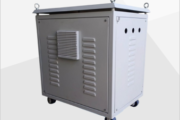



The selection process for an Auxiliary Transformer represents a critical choice which affects both industrial operations and utility power systems. The system delivers essential support functions to equipment which operates and safeguards your enterprise operations while enabling system observation.
The main supply system fails when auxiliary power systems undergo design defects which cause sudden shutdowns and relay malfunctions and automatic systems to lose their stability. The performance of an Auxiliary Transformer will experience various silent impacts when it is improperly chosen which results in permanent operational damages.
The design of an Auxiliary Transformer operates to deliver control power while securing equipment protection and enhancing system operational performance. The guide offers readers practical tips together with real-world examples to help them choose the best option.
Why the Right Auxiliary Transformer Selection Matters
An Auxiliary Transformer supplies power to essential internal systems such as:
- Control panels
- Protection relays
- PLC and automation systems
- Monitoring and communication equipment
If this power is unstable, even a well-designed plant can face performance issues. Many industries experience hidden inefficiencies due to poor internal power distribution. You can explore similar issues in What Are Industrial Voltage Drop Issues.
Selecting the right transformer ensures these systems operate smoothly and consistently under all conditions.
1. Accurately Calculate Your Load Requirement
The first and most critical step is understanding your actual load requirement not just on paper, but in real operating conditions.
What You Should Include:
- Total connected auxiliary load
- Peak load and starting current
- Future expansion requirements
Practical Insight:
Many industries calculate only current load and ignore future growth. Operations become more demanding as production rises which causes transformers to exceed their capacity limits and results in transformer overheating and equipment deterioration.
Auxiliary Transformers which have proper dimensions maintain consistent operation because they decrease system pressure and prevent system expansion needs.
2. Select the Correct Voltage Rating
Voltage mismatch is one of the most common and costly mistakes in transformer selection.
What to Check:
- Input voltage from the main supply
- Required output voltage (commonly 415V or 230V)
Why It Matters:
If voltage is not properly matched:
- Control circuits may fail
- Equipment efficiency reduces
- Sensitive devices may get damaged
In systems where voltage fluctuation is frequent, understanding system limits becomes important. You can read more in What Is Breakdown Voltage in Voltage Stabilizers
A correct voltage selection ensures safe and efficient operation.
3. Evaluate Power Quality Requirements
Industrial systems depend on modern electronic devices which require power supply systems to provide unbroken and unpolluted electric power supply.
Key Factors to Consider:
- Voltage fluctuations
- Harmonics and distortion
- Electrical noise
Real Impact:
Poor power quality can lead to:
- False tripping of relays
- Errors in PLC systems
- Malfunctioning of automation equipment
To improve power quality, industries often use additional solutions along with auxiliary transformers. For example: Three Phase Isolation Transformer and Its Industrial Benefits
A good Auxiliary Transformer should support stable and disturbance-free power supply.
4. Choose the Right Type of Auxiliary Transformer
Different applications require different transformer designs.
Options Include:
- Dry-type transformers (best for indoor use)
- Oil-cooled transformers (for heavy industrial load)
- Outdoor transformers (for substations and open areas)
Practical Insight:
Each industry has different environmental and operational needs. A textile plant needs a different setup than a hospital or solar facility because it operates in dusty and hot conditions.
The selection of the incorrect equipment leads to three major problems which include system overheating and operational inefficiency and equipment needing frequent maintenance.
5. Focus on Build Quality and Reliability
The internal construction of the transformer directly affects its long-term performance.
What to Evaluate:
- Copper winding quality
- Core material efficiency (low-loss design)
- Insulation strength
- Cooling system efficiency
Why It Matters:
Low-quality transformers may work initially but fail under continuous industrial load conditions. This leads to breakdowns and higher maintenance costs.
Industries that prioritize reliability prefer proven systems. You can understand this better in Reasons Why Our Servo Voltage Stabilizers Are the Industry’s Top Choice
A high-quality Auxiliary Transformer ensures long-term durability and consistent performance.
6. Match the Transformer with Industry Requirements
Each industry has unique power demands and operating conditions.
Examples:
- Manufacturing Industry: Requires continuous control power supply to maintain stable automation processes.
- Healthcare Sector: Needs dependable power sources to support critical medical devices.
- Renewable Energy Plants: Must handle fluctuating power conditions.
In such applications, choosing the right configuration is essential. For instance: Solar Auxiliary Transformer for Substations
Selecting based on actual application ensures better performance and reliability.
7. Choose a Trusted Manufacturer and Support System
Manufacturing and supporting products create fatal design failures which cannot be prevented through design excellence.
What to Check:
- Industry experience
- Testing and quality standards
- Certifications
- After-sales service
Practical Insight:
A reliable manufacturer provides proper design and testing and maintains long-term support. This situation becomes critical when industrial operations experience expensive downtime during equipment failures.
The correct selection methods require you to read How to Choose the Right Voltage Stabilizer for Factory.
Common Mistakes to Avoid
Many industries repeat the same mistakes during selection.
Avoid These:
- Choosing undersized transformers
- Ignoring power quality issues
- Not considering future expansion
- Selecting based only on price
People make two main errors when they select products which result in increased operational costs and product failures.
Cost vs Long-Term Value
People need to consider both initial expenses and total lifetime value for their purchasing decisions.
Focus On:
- Efficiency
- Reliability
- Maintenance cost
- Performance stability
The Auxiliary Transformer delivers operational advantages because it decreases equipment downtime and boosts operational effectiveness while delivering financial savings throughout its lifespan.
Latest Trends in Auxiliary Transformer Selection
Industries are adopting smarter and more efficient solutions.
- Smart Monitoring: Real-time tracking of transformer performance
- Energy-Efficient Design: Reduced losses and improved efficiency
- Compact Solutions: Space-saving designs for modern plants
- Automation Integration: Compatible with PLC and SCADA systems
Final Checklist Before You Buy
The Auxiliary Transformer purchase process requires you to verify three essential aspects before making your decision.
- Load is properly calculated
- Voltage rating is correct
- Power quality is considered
- Transformer type matches application
- Build quality is high
- Industry requirements are met
- Manufacturer is reliable
Conclusion
Power system stability requires proper auxiliary transformer selection because it helps maintain continuous power operation.
The correct transformer selection enables control system operation while safeguarding equipment and decreasing work interruptions.
The practical tips help industries to eliminate expensive errors while selecting solutions that provide extended operational efficiency.