


Power Reliability in Hospitals Is Non-Negotiable
Hospitals possess unique characteristics which set them apart from all other commercial and industrial environments. The sensitive medical devices of a hospital can experience immediate operational problems from even short-term voltage dips or spikes or electrical system fluctuations.
The operational outages of medical equipment from MRI machines to life-support systems will create major risks for both patients and hospital activities.
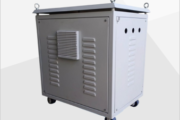
The medical equipment stabilizer device guarantees safe voltage operation because it provides continuous safe voltage output which protects medical devices from operational failures.
If you want to understand the foundation of voltage protection, check this guide on what is a servo voltage stabilizer.
Why Voltage Stability Matters in Hospitals
Medical equipment requires stable electrical power because even small power changes can disrupt its functionality. Even a small deviation in voltage can:
- Heat up power supplies unnecessarily
- Shorten the lifespan of circuits
- Cause inaccurate readings in diagnostic machines
- Trigger unexpected shutdowns in critical devices
Hospitals frequently operate devices which create nonlinear power demands resulting in regular power supply interruptions. The stabilizer delivers uninterrupted power supply through exact voltage control which protects equipment from harmful effects.
The article top voltage drop problems and solutions for industries provides essential industrial information about how voltage instability impacts sensitive systems.
Top Reasons to Use a Stabilizer for Medical Equipment
1. Protects Expensive Medical Devices
The expenses of medical equipment reach high financial levels. The medical equipment stabilizer device functions as a protective barrier which stops equipment from suffering damage through sudden electrical surges and voltage drops and power transmission fluctuations.
The medical equipment of the hospital Highly Sensitive Instruments includes MRI machines CT scanners X-ray machines and ventilators which operate at extremely low voltage levels.
Learn how industrial-grade stabilizers protect sensitive systems in industrial servo voltage stabilizers.
2. Ensures Accurate Diagnostics
Diagnostic equipment performance depends on voltage stability because voltage changes produce measurement errors. Diagnostic equipment performance depends on voltage stability because even small voltage changes produce measurement errors and alarm system malfunctions.
With a stabilizer, hospitals maintain precise readings for:
- ECG machines
- Blood analyzers
- Imaging systems
For detailed technical protection principles in medical settings, see servo stabilizers for medical and hospital equipment.
3. Minimizes Downtime
Power outages which happen without warning will stop all essential business functions. Stabilizers maintain medical equipment operational by providing uninterrupted power supply which results in decreased equipment downtime.
Hospitals with multiple wards, ICUs, and operating theaters benefit from their redundant stabilizer systems because these systems help maintain operational readiness during essential medical procedures.
For operational guidance, check how to choose the right voltage stabilizer for a factory; the principles apply to medical equipment as well.
4. Protects Against Surges and Spikes
Hospitals experience voltage spikes because of two primary causes which include:
- High-load equipment switching
- External grid fluctuations
- Nearby construction or industrial activity
A medical equipment stabilizer automatically manages voltage input to protect equipment from electrical damage and operational failures.
For additional protection strategies, read what is a 3-phase isolation transformer? Base isolation transformers and stabilizers together create advanced security systems which protect against electrical hazards.
5. Enhances Patient Safety
Patient safety depends on maintaining stable power supply systems. Life-support systems and ventilators and monitoring equipment must function continuously without any interruptions.
A sudden power dip can compromise care. The stabilizer maintains constant voltage supply which protects all patient treatment operations from voltage fluctuations.
Hospitals operating servo stabilizers gain protection for their facilities through both overload and single-phase protection systems.
Features to Look for in a Medical Equipment Stabilizer
When selecting a stabilizer for medical equipment, key features include:
- High Precision Regulation: ±1–2% voltage variation
- Fast Response Time: Immediate correction of spikes/dips
- Overload Protection: Handles sudden surges without tripping
- Single-Phase Protection: Prevents uneven load stress
- User-Friendly Interface: Keypad settings, digital displays
- Maintenance-Friendly Design: Air-cooled, easy service
The document describes maintenance procedures best practices, see how to maintain 3-phase air-cooled servo voltage stabilizers.
Real-World Applications
Hospitals use stabilizers for:
- ICU and operating theater power supply
- MRI machines and CT scanners and X-ray systems
- Centralized diagnostic labs
- Pharmacy storage and refrigeration
- IT and server rooms managing patient records
To achieve complete protection and continuous operation, multiple hospitals use stabilizers together with 3-phase isolation transformers.
Conclusion: Voltage Stability Is Non-Negotiable
A stabilizer for medical equipment is not an optional accessory. It is a critical infrastructure element in hospitals.
By providing stable voltage, stabilizers:
- Protect sensitive equipment
- Minimize downtime
- Ensure diagnostic accuracy
- Improve patient safety
In medical environments, stable power is as essential as oxygen or water. Investing in high-quality stabilizers is preventive, not reactive.
If you operate, design, or manage hospital electrical systems, a stabilizer for medical equipment is the difference between continuous care and costly interruptions.