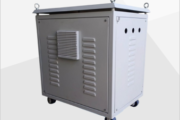



In every industry, power is not just about running machines. It is also about maintaining control, safety, and continuous monitoring. Many industrial failures do not happen because power is unavailable, they happen because supporting systems lose stability.
This is where understanding how Auxiliary Transformer Works becomes important.
An auxiliary transformer acts as a dedicated power source for internal systems. The system maintains operational capacity for control panels and protection relays and automation systems and monitoring devices during main supply disruptions.
All industries use Auxiliary Transformer to provide dependable internal power which sustains vital operations despite minor operational differences between various industries.
What Happens Inside an Auxiliary Transformer?
The internal workings of an Auxiliary Transformer system operate through its complete internal workings.
Step 1: Voltage Conversion
The transformer receives high voltage from the main supply and steps it down to a lower usable level like 415V or 230V.
Step 2: Controlled Distribution
The system distributes reduced voltage to various auxiliary loads which include control systems and lighting and communication equipment.
Step 3: Continuous Stabilization
The system guarantees that sensitive equipment receives stable voltage which prevents any voltage variations from causing equipment failures.
This simple but critical process is what keeps industrial systems stable.
How Auxiliary Transformer Works in Manufacturing Industries
Manufacturing plants depend on precision and continuity. The entire production line stops because of even a minor control voltage disturbance.
Practical Working:
In a factory setup, the auxiliary transformer supplies power to:
- PLC panels
- CNC machine controls
- Automation systems
- Sensors and monitoring devices
The system ensures that operations continue without interruption from heavy load changes.
CNC machines need stable control power to sustain their operational performance. You can explore related requirements in servo stabilizer for CNC machines buyers checklist.
Real Impact:
- Prevents sudden machine shutdowns
- Maintains production accuracy
- Reduces operational losses
How Auxiliary Transformer Works in Textile Industry
The textile industry uses continuous processes which operate without interruption throughout production since even short breaks in operation will result in product quality loss.
Practical Working:
Auxiliary transformers supply power to:
- Machine control panels
- Speed regulators
- Monitoring systems
They ensure that control circuits remain stable even if the main supply fluctuates.
Textile machinery is sensitive to voltage variations. That’s why industries also rely on solutions like why stabilizer for textile machines is a must.
Real Impact:
- Avoids fabric defects
- Maintains consistent machine speed
- Improves production efficiency
How Auxiliary Transformer Works in Healthcare Sector
Hospitals operate in a zero-error environment. Power reliability is directly linked to patient safety.
Practical Working:
Auxiliary transformers provide power to:
- ICU monitoring systems
- Diagnostic equipment control circuits
- Backup systems
- Communication systems
Even during power disturbances, critical systems continue to operate.
You can also understand how power protection plays a role in healthcare through servo voltage stabilizer for medical and hospital equipment.
Real Impact:
- Ensures uninterrupted medical operations
- Protects sensitive equipment
- Maintains patient safety
How Auxiliary Transformer Works in Solar Power Plants
Renewable energy systems bring new challenges due to fluctuating generation.
Practical Working:
In solar plants, auxiliary transformers supply power to:
- Inverter control systems
- SCADA monitoring
- Communication units
Even when solar generation changes due to sunlight, internal systems remain active.
To explore selection aspects, refer to what is the best solar auxiliary transformer for power plant.
Real Impact:
- Ensures continuous monitoring
- Supports plant automation
- Improves overall efficiency
How Auxiliary Transformer Works in Commercial Infrastructure
Commercial buildings require uninterrupted power for safety and operations.
Practical Working:
Auxiliary transformers supply power to:
- HVAC control systems
- Elevators and escalators
- Lighting systems
- Fire safety systems
They ensure these systems operate independently of load fluctuations.
Large setups often combine this with stabilizers as explained in is a servo voltage stabilizer for hotels worth it yes heres why.
Real Impact:
- Ensures comfort and safety
- Prevents service interruptions
- Maintains operational continuity
Key Advantages of Auxiliary Transformer in Industries
- Stable Control Power: This system maintains constant performance for all automated systems.
- Equipment Protection: This system decreases equipment damage risks which occur during voltage fluctuations.
- Reduced Downtime: The system maintains operational capacity throughout all operational disturbances.
- Better Process Control: This system enhances both efficiency and precision of operations.
- Support for Modern Automation: This system works seamlessly with IoT and smart systems.
Common Industrial Mistakes
Many industries underestimate the role of auxiliary transformers.
Mistakes Include:
- Incorrect sizing of transformer
- Ignoring load calculations
- Poor installation practices
- Lack of maintenance
These mistakes can lead to:
- Frequent system failures
- Increased downtime
- Higher maintenance costs
Future Trends: How Auxiliary Transformer Works in Modern Systems
The role of auxiliary transformers is expanding with new technologies.
- Smart Factories: These facilities use automated production systems for their operations.
- IoT Monitoring: The system provides instant performance monitoring together with diagnostic capabilities.
- Energy Efficiency: The new designs prioritize energy efficiency by implementing measures that decrease energy waste.
- Renewable Integration: The system requires renewable integration to function with both solar and hybrid technology.
Conclusion
The different industry applications of Auxiliary Transformer technology demonstrate its crucial role in maintaining operational stability and safety and efficient performance.
The system powers machine operation through its ability to control, protect, and monitor all linked systems.
Auxiliary transformers serve as essential components in contemporary power systems that operate across manufacturing facilities and medical facilities and solar power plants and commercial building systems.
The selection of an appropriate auxiliary transformer represents a vital choice for businesses that want to lessen equipment downtime and boost operational effectiveness and maintain equipment operating reliability.