
Introduction
Textile manufacturing runs on precision. Every loom, embroidery unit, and dyeing machine depends on a steady power supply. When voltage fluctuates, production takes the hit – yarn breaks, motors overheat, and finished fabric quality suffers. That is where a Servo Voltage Stabilizer for Textile Machines becomes more than a safety tool. It is part of the production process itself.
At Rameshwar Power Control, we have seen how small voltage variations can shut down an entire weaving floor. Years of working with textile industries taught us one thing – stable voltage is not optional. It is the thread that holds your entire operation together.
If you want to first understand the basics of how a stabilizer functions, check this guide on What Is a Servo Voltage Stabilizer.
Why Voltage Stability Matters in Textile Manufacturing
Textile plants often run around the clock. A few minutes of power fluctuation can ruin hours of work. Imagine a dyeing process where the temperature suddenly changes because the voltage dropped – the result is uneven shades that no one can fix.
Or think about a loom room full of electronic jacquards. One voltage surge can damage the control boards and halt production for a day or more. These are not just technical issues – they are real costs in fabric waste, rework, and lost time.
Stable voltage ensures machines perform the same way, shift after shift. It also reduces wear on motors and PLC systems. When the power stays constant, your machines last longer and your fabric quality stays consistent.
You can read more about how stabilizers solve such voltage drop problems in industries.
What Is a Servo Voltage Stabilizer and How It Works
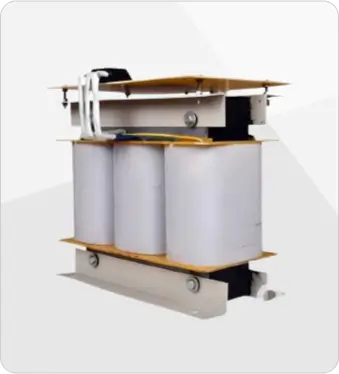
A servo voltage stabilizer is like a steady hand on the power line. It continuously monitors incoming voltage and corrects it through a servo motor-driven system. If the voltage rises or drops, the servo mechanism adjusts the output to keep it steady.
Unlike relay-based stabilizers that switch in steps, servo systems work smoothly and continuously. There is no sudden change – just constant control. That is what makes them ideal for sensitive textile machinery.
Think of it as a skilled operator who adjusts machine speed in real time – not by jerks, but by fine tuning. The stabilizer does the same for your power.
To know the difference between other types, here’s a guide on Industrial Stabilizers and Why Businesses Need Them.
Role of Servo Voltage Stabilizer for Textile Machines
Every section in a textile plant benefits from voltage stability.
Spinning Units: The motors in ring frames and carding machines are sensitive. When voltage fluctuates, yarn tension changes. That leads to thread breakage and poor winding.
Weaving Units: Modern looms with PLC systems need a clean power supply. Even small variations can corrupt control signals or damage electronic parts.
Dyeing and Finishing: These processes depend on consistent temperature and pressure. If voltage dips, heaters or pumps slow down, causing uneven dyeing.
Embroidery and Printing: Machines here are delicate and costly. Stabilizers protect them from surges that can burn expensive electronic boards.
A Servo Voltage Stabilizer for Textile Machines keeps all these operations steady. It acts like a silent supervisor – always monitoring, always correcting, never resting.
You can also read about why a stabilizer for textile machines is a must in our article.
Key Features to Look For
Not all stabilizers are built the same. Textile units should look for a few essentials:
- Accuracy: ±1% voltage control for critical machines.
- Digital Display: To monitor input and output in real time.
- Auto/Manual Operation: Flexibility for maintenance and emergencies.
- Copper Windings: For better conductivity and long life.
- Overload Protection: Automatic shutdown during faults.
- Cooling and Ventilation: Keeps performance stable during long shifts.
These features help avoid sudden shutdowns and keep your production line running smoothly.
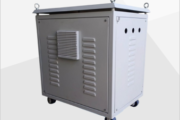
If you want to explore models with these features, check our overview of the Industrial Servo Voltage Stabilizer by Rameshwar Power Control.
Benefits of Installing Servo Voltage Stabilizers in Textile Industries
1. Improved Machine Life – Motors, drives, and sensors stay protected from power stress.
2. Reduced Downtime – Fewer failures mean fewer production stops.
3. Energy Efficiency – Stable voltage reduces current draw and prevents power wastage.
4. Better Product Quality – Fabric color, texture, and finish stay uniform.
5. Safety and Compliance – Stabilizers help meet safety norms and protect workers from electrical risks.
For broader perspective, you can explore how stabilizers also protect medical and hospital equipment or CNC machines.
Why Textile Manufacturers Trust Rameshwar Power Control
Rameshwar Power Control has been working with textile industries across India for years. We have supplied stabilizers to small weaving units and large composite mills in Surat, Ahmedabad, and Tirupur.
Our stabilizers are designed to match the tough demands of textile operations – long hours, dusty environments, and sensitive electronics. Each unit is tested for voltage precision, thermal stability, and load endurance.
Customers often tell us they see the difference within a week of installation – machines run quieter, production becomes smoother, and unplanned stoppages drop.
We do not just sell equipment; we support it. Our after-sales team ensures every stabilizer performs reliably over time. For textile plants, that means one less thing to worry about.
For real-world insight, see why industries choose oil-cooled servo voltage stabilizers and why they remain popular across applications.
Choosing the Right Capacity for Your Textile Unit
The first step is knowing your total machine load. Add up the kVA ratings of all major machines and include a 20–25% margin for future expansion.
For example, if your looms, compressors, and lighting total 200 kVA, go for a 250 kVA stabilizer. Undersizing can cause overheating, while oversizing increases unnecessary costs.
Each textile plant has unique needs – voltage fluctuation range, load type, and working hours. It is best to discuss these with a manufacturer like Rameshwar Power Control, who can suggest the right model and configuration.
To learn more about this, check the detailed guide on how to choose the right voltage stabilizer for your factory.
Maintenance Tips for Long-Term Performance
Even the best stabilizer needs care. Here are a few basic tips:
- Check the carbon brush condition regularly. Replace if worn out.
- Keep air vents clean for proper cooling.
- Inspect wiring connections once every few months.
- Get a preventive service check once a year.
A few minutes of maintenance keep your stabilizer reliable for years. It is like changing oil in a machine – small effort, big payoff.
For a detailed checklist, refer to Servo Voltage Stabilizer Maintenance Guide.
Conclusion
A Servo Voltage Stabilizer for Textile Machines is more than an accessory – it is part of your production infrastructure. It protects your machines, saves energy, and ensures that every meter of fabric meets your quality standards.
If you are running a textile unit and dealing with frequent voltage issues, it is time to take control. Choose a solution designed for your environment, not just your load.
For customized stabilizers built to handle the challenges of textile operations, visit Rameshwar Power Control. We design solutions that keep your machines safe and your production steady – shift after shift.
You can also explore related reads like Why Stabilizer for Textile Machines Is a Must, Emerging Trends Among Servo Voltage Stabilizer Manufacturers in India (2025 Update), and Why Indian Industries Rely on 3 Phase Oil Cooled Servo Stabilizers.
For More info:
📞 Call Us: +91 88666 65036
📧 Email: rameshwar.electricals@yahoo.com