

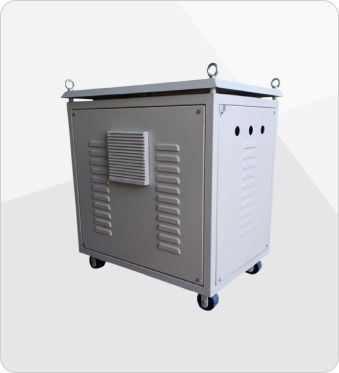
Solar energy projects depend on a strong and reliable electrical infrastructure to maintain efficient and uninterrupted power generation. While solar panels and inverters receive most of the attention in a solar power system, another important component works behind the scenes to keep the entire plant running smoothly — the solar auxiliary transformer.
A solar auxiliary transformer provides power to all internal equipment and auxiliary loads within a solar plant. These systems include monitoring equipment, control systems, lighting, communication systems, cooling units, and safety devices. Without a reliable transformer supporting these loads, a solar plant may struggle to operate efficiently.
As solar power installations grow in size and complexity, the importance of transformer reliability becomes even greater. In this guide, we will explore the role of the solar auxiliary transformer, why its reliability is essential for solar plants, and how plant operators can ensure long-term performance.
Understanding the Role of a Solar Auxiliary Transformer
A solar auxiliary transformer is designed to supply power to auxiliary systems within a solar power plant. These auxiliary loads are essential for maintaining operations even when the plant is not generating electricity at full capacity.
Typical auxiliary loads powered by the solar auxiliary transformer include:
- SCADA and monitoring systems
- Control panels and automation equipment
- Cooling and ventilation systems
- Lighting and security systems
- Communication networks
- Protection relays and safety equipment
- Water pumps and maintenance systems
The transformer steps down high-voltage electricity from the grid or plant distribution system to a lower voltage that can safely power these internal devices.
If you want to understand the complete working concept of this equipment, you can read our Solar Auxiliary Transformer for Solar Plants: What It Is and Why It Matters.
Why Solar Auxiliary Transformer Reliability Matters
Reliability is one of the most important factors when selecting a solar auxiliary transformer for solar power plants. A failure in the auxiliary transformer can disrupt several plant operations simultaneously.
Let’s explore the major reasons why reliability matters.
1. Continuous Operation of Monitoring Systems
Modern solar plants rely heavily on digital monitoring systems to track performance, detect faults, and optimize energy production. These systems operate around the clock and require a stable power supply.
A reliable solar auxiliary transformer ensures that monitoring systems remain operational at all times. If the transformer fails, plant operators may lose visibility into system performance, which can reduce overall energy generation efficiency.
Reliable auxiliary power ensures smooth communication between monitoring devices and plant operators.
2. Stable Power for Control and Automation Equipment
Solar plants use automated control systems to regulate energy production and protect equipment. Control panels, PLC systems, and other automation components require consistent voltage to function properly.
The solar auxiliary transformer provides stable power to these critical control systems. Without a reliable transformer, voltage fluctuations can affect automation processes and lead to system failures.
Many industrial solar plants use similar transformer configurations. You can explore how they support large-scale industrial operations in this article: Solar Auxiliary Transformer for Industrial Plants.
3. Protection of Safety Systems
Safety systems in solar plants must operate continuously to protect personnel and equipment. These systems include:
- Fire detection systems
- Alarm systems
- Emergency lighting
- Protection relays
- Surveillance systems
All these components depend on the solar auxiliary transformer for reliable power supply. If the transformer becomes unstable, safety systems may stop functioning, increasing operational risk.
Reliable auxiliary transformers help maintain safe working conditions within solar facilities.
4. Higher Overall Plant Efficiency
Solar plants are designed to operate with maximum efficiency to generate the highest possible energy output. Auxiliary systems such as cooling units, communication systems, and monitoring equipment contribute significantly to this efficiency.
A stable solar auxiliary transformer ensures these systems function without interruption. As a result, plant performance remains consistent and energy losses are minimized.
For solar infrastructure connected to electrical substations, auxiliary transformers also play an important role. Learn more in Solar Auxiliary Transformer for Substations: Benefits, Applications, and Specifications.
5. Reduced Downtime and Maintenance Costs
Unplanned equipment failures can cause costly downtime in solar power plants. Transformer breakdowns can interrupt multiple auxiliary systems at once, requiring immediate repairs and maintenance.
Choosing a reliable solar auxiliary transformer reduces the risk of unexpected failures and lowers maintenance expenses. High-quality transformers are designed to handle variable loads and environmental conditions commonly found in solar installations.
Renewable energy projects often combine solar and wind power infrastructure. Auxiliary transformers also support wind energy facilities, as explained here: Solar Auxiliary Transformer for Wind Park.
Key Features of a Reliable Solar Auxiliary Transformer
Selecting the right solar auxiliary transformer involves evaluating several important design features.
High Thermal Performance
Solar plants are typically located in open environments where temperatures can be high. A reliable transformer must be capable of operating efficiently under these conditions without overheating.
Efficient Cooling System
Cooling systems play a crucial role in maintaining transformer performance. Oil-cooled or air-cooled designs help regulate internal temperatures and prevent overheating.
Durable Insulation System
Strong insulation protects transformer components from electrical stress, moisture, and environmental contaminants. Proper insulation improves reliability and extends equipment life.
Voltage Stability
A high-quality solar auxiliary transformer maintains stable voltage output even during load variations. This protects sensitive electronic equipment connected to the system.
Common Challenges Affecting Solar Auxiliary Transformer Reliability
Several factors can affect the performance of a solar auxiliary transformer if not managed properly.
Overloading
Operating the transformer beyond its rated capacity can cause overheating and insulation damage.
Environmental Exposure
Solar plants are exposed to dust, humidity, and extreme temperatures, which can affect transformer components over time.
Poor Installation Practices
Incorrect installation may cause electrical imbalance or mechanical stress.
Lack of Preventive Maintenance
Failure to inspect and maintain the transformer regularly can lead to unexpected failures.
Best Practices to Ensure Transformer Reliability
To maintain the long-term reliability of a solar auxiliary transformer, plant operators should follow these best practices.
Perform Regular Inspections
Routine inspections help identify early signs of wear or electrical issues before they become serious problems.
Monitor Load Conditions
Ensuring balanced loads across the transformer prevents overheating and improves operational efficiency.
Choose the Right Transformer for the Application
Selecting the correct transformer capacity and specifications is essential for reliable performance. For guidance on selecting the right model, read What Is the Best Solar Auxiliary Transformer for Power Plant?
Implement Preventive Maintenance
Scheduled maintenance programs ensure optimal transformer performance and extend equipment lifespan.
The Growing Importance of Solar Auxiliary Transformers
As solar energy adoption increases globally, power infrastructure is becoming more advanced and complex. Solar plants now rely heavily on digital monitoring systems, automation equipment, and advanced safety technologies.
This growing complexity makes the solar auxiliary transformer even more important. Reliable auxiliary power ensures that every supporting system within the solar plant operates efficiently.
With proper design, installation, and maintenance, a high-quality solar auxiliary transformer can deliver reliable performance for decades.
Conclusion
The solar auxiliary transformer is an essential component that supports the entire operational infrastructure of a solar power plant. From powering monitoring systems to maintaining safety equipment, this transformer ensures that all auxiliary systems operate smoothly.
Reliability is critical because even a minor transformer failure can disrupt plant operations, reduce energy generation, and increase maintenance costs. By selecting high-quality equipment and following proper maintenance practices, solar plant operators can ensure long-term stability and efficiency.
As renewable energy continues to expand worldwide, the solar auxiliary transformer will remain a key element in maintaining reliable and efficient solar power generation systems.